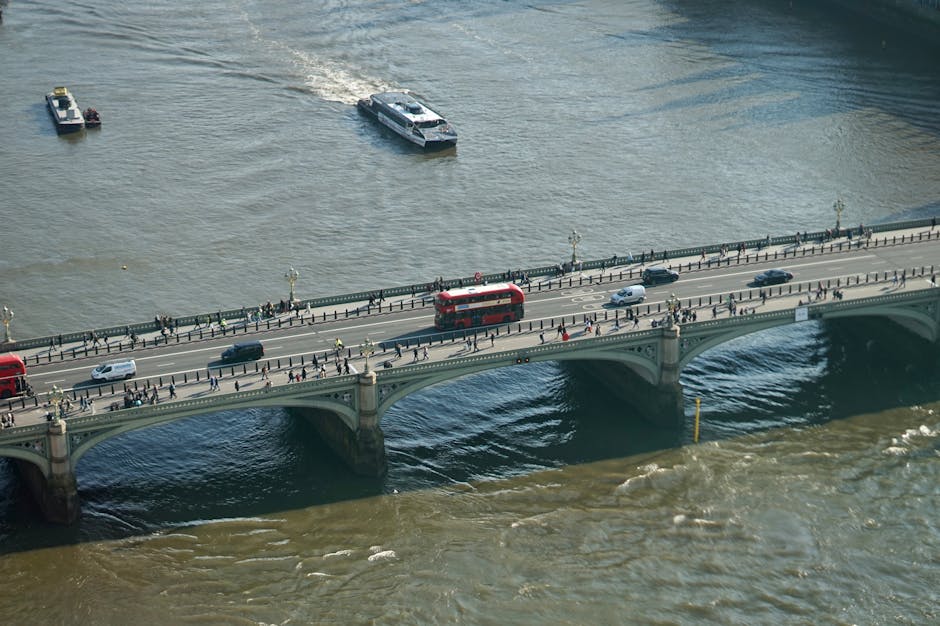
Putney Bridge move guide for removals near the river
Moving near Putney Bridge has its own personality. The river changes the mood of the street, traffic can bunch up at awkward times, and a perfectly ordinary removal can suddenly feel a bit tighter than expected. If you are planning a move close to the Thames, this Putney Bridge move guide for removals near the river will help you think through the awkward bits before they become expensive ones. You will get practical advice on access, timing, packing, parking, and the kind of service setup that actually makes life easier on moving day.
Truth be told, most moving stress in this part of London comes down to logistics, not lifting. A sofa is a sofa. The challenge is where the van can stop, how long it can stay, whether the stairwell is narrow, and what happens if the river-side streets are busier than you expected. Let's make that simpler.
Table of Contents
- Why Putney Bridge move guide for removals near the river Matters
- How Putney Bridge move guide for removals near the river Works
- Key Benefits and Practical Advantages
- Who This Is For and When It Makes Sense
- Step-by-Step Guidance
- Expert Tips for Better Results
- Common Mistakes to Avoid
- Tools, Resources and Recommendations
- Law, Compliance, Standards, or Best Practice
- Options, Methods, or Comparison Table
- Case Study or Real-World Example
- Practical Checklist
- Conclusion
- Frequently Asked Questions
Why Putney Bridge move guide for removals near the river Matters
Putney Bridge is one of those locations where the geography genuinely affects the move. The river frontage, busy commuter routes, local flats, and mixed residential streets create a few moving-day pressures that do not always show up in a standard house move elsewhere in London. If you are moving within walking distance of the bridge, or out of an apartment nearby, a little planning goes a long way.
Why does it matter so much? Because the difference between a calm move and a chaotic one is often a matter of minutes. A van that arrives at the wrong time may sit behind traffic. A booking that ignores access restrictions may lead to more carrying, more waiting, and more cost. And if you are moving from a riverside flat, you may also be dealing with lifts, shared entrances, awkward loading bays, or homes with a lovely view and a less lovely staircase.
There is also the human side of it. People moving near the river are often doing so because life is changing: a first flat together, a bigger family home, a new job, or a smaller place after years in the same spot. On moving day, the last thing you want is to be sweating over whether the van can legally stop outside the building. That's not the memory you want to keep.
Expert summary: Near Putney Bridge, the move is usually won or lost on access, timing, and preparation. If you get those three right, everything else feels far more manageable.
If you are comparing services, it can help to look at flexible options such as man with van support for smaller moves, or broader removal services when you need full packing, loading, and delivery coordination.
How Putney Bridge move guide for removals near the river Works
A smooth river-side move usually follows a simple pattern: assess the property, plan access, match the vehicle to the job, pack properly, and choose a loading window that fits the local traffic rhythm. It sounds obvious. In practice, each step deserves attention.
First, identify exactly what sort of property you are moving from or into. A ground-floor maisonette with a rear entrance is a very different job from a third-floor flat with a tight communal hallway. Likewise, a family house near Putney High Street will not behave the same way as a riverside apartment block. You need to know where the van can park, how many trips are likely, and whether there are obstacles like steps, low ceilings, narrow corners, or resident-only access.
Next comes vehicle choice. A smaller removal van can be ideal for compact flats or partial moves because it is easier to position and more nimble around busy streets. For larger households or full-service relocations, a bigger vehicle or moving truck may be the better fit. The wrong size vehicle can turn a tidy plan into multiple runs, and nobody enjoys that at 4:30 in the afternoon, with boxes everywhere and the kettle already packed.
Then there is the packing side. If you are moving near the river, moisture and weather are worth thinking about too. Not because everything is soaked all the time, but because London drizzle has a way of appearing just when you are carrying cardboard. Strong boxes, proper tape, and wrapping for furniture are not glamorous, but they save grief. Services such as packing and boxes or packing and unpacking services can make a big difference when time is tight.
Finally, the move itself should be scheduled with a realistic buffer. River-side London moves often need more time than people assume. A journey that looks short on a map may be slowed by traffic, parking limitations, or a building entry routine. If you build in a margin, the whole day feels less fragile.
Key Benefits and Practical Advantages
When the move is planned properly, there are some real advantages to using a location-aware approach near Putney Bridge.
- Less waiting time: Better planning reduces the chance of a van idling while someone hunts for a loading spot or building key.
- Fewer handling risks: Shorter carry distances and the right equipment mean less strain on furniture and fewer knocks on walls.
- Cleaner scheduling: A timed plan helps avoid the worst congestion periods and makes the move feel controlled.
- More accurate pricing: The more detail you give in advance, the less likely you are to face awkward surprises later.
- Better protection for items: Proper wrapping, packing, and load order reduce damage in transit.
- Lower stress: Simple really. When everyone knows the plan, the atmosphere changes.
There is another advantage people sometimes overlook: a well-structured move near the river protects your energy. If you have ever watched a move drift into the afternoon because no one agreed on who was carrying what, you know exactly what I mean. A tidy process is not just efficient. It is calmer, kinder, and usually cheaper in the end.
For larger homes, family moves, or more complicated access situations, a service built around home moves or house removals tends to be more practical than trying to patch together a last-minute solution. If you are in a flat with limited access, you may also find flat removals a better fit.
Who This Is For and When It Makes Sense
This guide is most useful if you are moving in or around Putney Bridge and any of these descriptions sound familiar:
- You live in a riverside flat or apartment block with shared access.
- You are moving out of a townhouse or terraced property near the bridge.
- You have limited parking options outside your building.
- You are trying to move before or after work hours and want the day to stay efficient.
- You have bulky furniture, fragile items, or awkward stair access.
- You are moving on a tighter timeline than you would like. Happens to the best of us.
It also makes sense for students, small households, and anyone shifting between rented properties. If you are leaving a compact place near the river, a lighter service such as student removals or a local man and van option may be enough. On the other hand, if you are moving a family home, a more complete approach with loading support and transport capacity is usually the safer choice.
Businesses can also benefit. Putney Bridge is not only residential; office teams, studios, and small commercial spaces in the wider area may need a move that respects access, downtime, and equipment handling. In those cases, commercial moves or office removals may be the right path.
Step-by-Step Guidance
Here is a practical way to approach a move near Putney Bridge without overcomplicating it.
- Walk the route, if you can. Check where the van could realistically stop, where boxes will come out, and whether there are gates, lifts, or stairwells to plan around.
- Measure the awkward items. Sofas, wardrobes, beds, pianos, and large mirrors are the usual troublemakers. Measure them before moving day, not during it.
- Decide your service level. Do you need just transport, or do you need loading help, packing help, and maybe storage as well?
- Book the right vehicle. A smaller van may suit a single flat. Larger homes may need a truck or more than one crew member.
- Pack by room and label clearly. In the rush, vague labels like "misc" become annoying very quickly.
- Protect fragile or high-value pieces. Glass, artwork, electronics, and instruments need more care than basic clothes boxes.
- Confirm access details in writing. Keep the move time, floor level, parking notes, and entry instructions in one place.
- Prepare an essentials bag. Think phone charger, kettle, toilet roll, snacks, tape, and the one screwdriver you somehow always need.
If you are unsure about the load size, choose a provider that can advise on vehicle fit and labour. A good local mover should be able to tell you whether you need a van, a larger truck, or just a straightforward lifting plan. That conversation alone can prevent a lot of last-minute faffing.
For many people, the next sensible step is getting a proper estimate through pricing and quotes. A quote based on your actual move details will always be more useful than a guess.
Expert Tips for Better Results
Here are the small things that make a surprisingly big difference near the river.
- Choose a quieter loading window. Earlier in the day is often easier than late afternoon, especially if local traffic starts building up.
- Keep the van loading order logical. Items you need first at the new place should not be buried at the very back of the vehicle.
- Use consistent box sizes where possible. It stacks better and moves faster. Not perfect, but better.
- Wrap anything with corners. Corners are what catch on bannisters, door frames, and your patience.
- Ask about insurance and handling standards. Peace of mind matters, especially with furniture and electronics.
- Keep children and pets out of the main loading flow. It sounds obvious, then moving day arrives and nobody is obvious anymore.
One practical tip that often gets overlooked: if you are moving from a riverside property, keep a dry cloth or two handy. Between damp shoes, rain on frames, and a bit of dust from old skirting boards, it helps more than you would think.
It is also worth checking a mover's approach to health and safety and insurance and safety. You do not need a lecture. You just need to know they take care seriously.
Common Mistakes to Avoid
Most moving problems near Putney Bridge are avoidable. The trouble is, the same mistakes keep happening.
- Underestimating access issues: A "quick move" can become a long one if the van cannot stop close enough.
- Packing too late: Last-minute packing leads to weak boxes, poor labels, and damaged items.
- Ignoring parking and timing: On busy London roads, this is not a small detail.
- Choosing the wrong service level: If you need loading help but only book transport, you will feel the gap on the day.
- Forgetting about disposal: Old furniture, broken items, and unwanted clutter should be handled early. Otherwise they sit there staring at you.
- Not asking about storage: Sometimes keys are delayed or completion times shift. Having a backup plan reduces panic.
People also tend to assume that because they are moving a short distance, the job will be simple. Sometimes yes. Sometimes no. A one-mile move with three flights of stairs and a tight loading bay can be more awkward than a longer move with better access. Distance is only one part of the story.
Tools, Resources and Recommendations
You do not need fancy tools, but a few basics make the move much smoother.
- Sturdy boxes: Use proper boxes rather than random supermarket ones for heavier household items.
- Packing tape and markers: Simple, cheap, and essential. Label every box on at least two sides.
- Furniture blankets and covers: Useful for protecting wood, glass, and upholstered items.
- Bubble wrap or paper wrap: Best for fragile items, lamps, and anything with awkward edges.
- Trolley or sack truck: If the mover provides one, brilliant. If not, ask in advance.
- Inventory list: A basic checklist helps you spot missing items quickly.
If you have surplus furniture or a few items you no longer need, planning removal in advance can save you from moving clutter you will only get rid of later. Services such as furniture removals and furniture pick up are helpful when you want the move to feel lighter rather than just relocated.
For people who need temporary space between addresses, storage can be a practical bridge solution. Sometimes that is the difference between a rushed, overloaded move and a calm, phased one.
Law, Compliance, Standards, or Best Practice
Without getting overly legal about it, there are a few common-sense standards worth expecting from any mover operating near Putney Bridge.
First, safe lifting and safe loading matter. Furniture should be moved with care, routes should be checked, and crews should be mindful of trip hazards, tight corners, and shared entrances. That is basic professional practice, not an optional extra.
Second, parking and access should be handled responsibly. In London, loading a vehicle is not just about convenience; it also has to be done without blocking residents, pedestrians, or the road in a way that creates avoidable problems. If parking arrangements are uncertain, the move should be planned conservatively rather than optimistically. Optimism is lovely. It is not a parking strategy.
Third, insurance and terms should be clear enough for you to understand before the move begins. You are not expected to become an expert in paperwork, but you should know what is included and what the moving company expects from you. It is also sensible to check the provider's terms and conditions, especially if your move has unusual access, timed entry, or fragile items.
For ethical and operational confidence, many customers also like to understand a company's approach to business practices, privacy, payment security, and complaints handling. Those pages are not exciting reading, admittedly, but they do show how a business works when things do not go perfectly. And sometimes that matters most.
Options, Methods, or Comparison Table
Not every move near Putney Bridge needs the same solution. Here is a simple comparison to help you choose.
| Option | Best for | Typical strengths | Possible drawbacks |
|---|---|---|---|
| Man and van | Small flats, student moves, partial loads | Flexible, nimble, often best for tight streets | May not suit larger homes or heavy item volumes |
| Removal van | Compact household moves, local transport needs | Good balance of space and manoeuvrability | Can require careful packing if the load is awkward |
| Moving truck | Larger homes or fuller inventories | More capacity, fewer trips | Harder to position on very tight streets |
| Full removal service | Complex or time-sensitive moves | Loading, transport, and coordination all in one | Usually costs more than a basic van-only option |
If your move is simple and local, a smaller setup may be perfectly adequate. If it has any of the classic headaches - stairs, large furniture, timing pressure, or a lot of boxes - a more complete service is usually the better investment. To be fair, the cheapest option is not always the cheapest by the end of the day.
Case Study or Real-World Example
Here is a realistic example based on the kind of move people often make around Putney Bridge.
A couple moving from a third-floor flat near the river had a sofa, bed frame, dining table, about forty boxes, and a few fragile items. At first they thought a single van and a quick morning loading slot would be enough. Once they checked the building layout, though, they realised the lift was small, the stairwell curved in a slightly awkward way, and roadside parking was not as easy as hoped.
So they changed the plan. They booked a service that could handle flat removals, used proper packing materials, and chose a start time that avoided the most obvious commuter pressure. They also labelled the boxes by room and kept essentials separate.
The result was not glamorous, but it was effective. No frantic repacking. No last-minute panic over the table legs. The move took longer than the original fantasy version, of course, but it stayed orderly. And that matters more than shaving ten minutes off the schedule and then losing an hour to confusion.
That kind of calm, practical planning is what this guide is really about.
Practical Checklist
Use this before moving day. Print it, screenshot it, scribble on it - whatever works.
- Confirm the move date and access time.
- Check where the vehicle can stop near the property.
- Measure large furniture and doorways.
- Book the right vehicle size.
- Decide whether you need packing support.
- Label all boxes clearly by room.
- Pack valuables and documents separately.
- Prepare an essentials bag for the first 24 hours.
- Keep phone numbers and instructions easy to reach.
- Arrange storage if move-in timing is uncertain.
- Set aside items for disposal or donation.
- Review the mover's safety and insurance information.
If you are still comparing providers, it helps to explore removal companies and see which one feels transparent about process, timing, and support. That honesty is often a better sign than flashy promises.
Get a free quote today and see how much you can save.
Conclusion
Moving near Putney Bridge does not need to be stressful. It just needs to be thought through with a bit more care than a standard move elsewhere. The river setting, the local traffic rhythm, the flats, the access points, and the loading constraints all shape the job. Once you accept that, the plan gets easier.
The biggest wins are usually simple: book the right vehicle, pack properly, keep access details clear, and choose a service that matches the real move rather than the idealised one. Whether you need light help or a full relocation setup, the aim is the same - get everything across safely and keep the day under control.
And if you do that, moving day feels a lot less like a battle and a lot more like a fresh start. Which, honestly, is what it should feel like.
Frequently Asked Questions
What should I check first for a move near Putney Bridge?
Start with access. Look at where the van can park, how far items need to be carried, whether there are stairs or lifts, and whether the route is realistic for your furniture. That first check saves a lot of headaches later.
Is a man and van service enough for a riverside flat move?
Often yes, if the move is small or medium-sized. A man and van setup can work well for flats, student moves, and partial loads, especially when access is tight and flexibility matters.
When is a larger vehicle better than a removal van?
If you have a full household, bulky furniture, or want to minimise trips, a larger vehicle is usually the better choice. A small removal van can be fine, but it may not be efficient for bigger jobs.
Do I need packing help for a move near the river?
Not always, but it is worth considering if you are short on time or have fragile items. Services like packing and unpacking services can make the move feel much more manageable.
How far in advance should I book?
As early as you can, especially if you are moving at a busy time of month or need a specific time slot. Riverside and central-London-adjacent locations can get awkward if you leave everything to the last minute.
What if my move-in time is delayed?
If there is any uncertainty, ask about storage as a fallback. A short gap between properties is common, and having storage arranged can reduce pressure when keys or completion times change.
Can I move at weekends near Putney Bridge?
Usually yes, but availability and traffic conditions vary. Weekends may feel easier for some families, though there can still be plenty of local movement. The exact timing matters more than the day alone.
What kinds of moves are hardest near the river?
Top-floor flats, properties with no lift, homes with very limited street access, and moves with heavy furniture tend to be the most demanding. A piano, for example, changes the whole plan. Quietly, but dramatically.
Should I use a full removal service or a basic transport-only option?
If you want help with packing, loading, or managing awkward access, a full service is often worth it. If your move is straightforward and already packed, a simpler transport option may be enough. It depends on the job, not just the address.
How can I reduce the risk of damage during the move?
Pack properly, use good boxes, wrap fragile items, and label everything clearly. Also, make sure the team knows about any delicate furniture or difficult items before moving day starts. A little warning goes a long way.
What if I only need help with one or two large items?
That is where smaller, flexible support can be useful. You may not need a whole-house move if you are only shifting a sofa or a few bulky pieces. In those cases, a lighter service is often more sensible.
How do I know if a mover is trustworthy?
Look for clear information about pricing, safety, insurance, and what happens if something changes. A trustworthy mover explains things plainly and does not make everything sound vague or miraculous. Simple is good.